
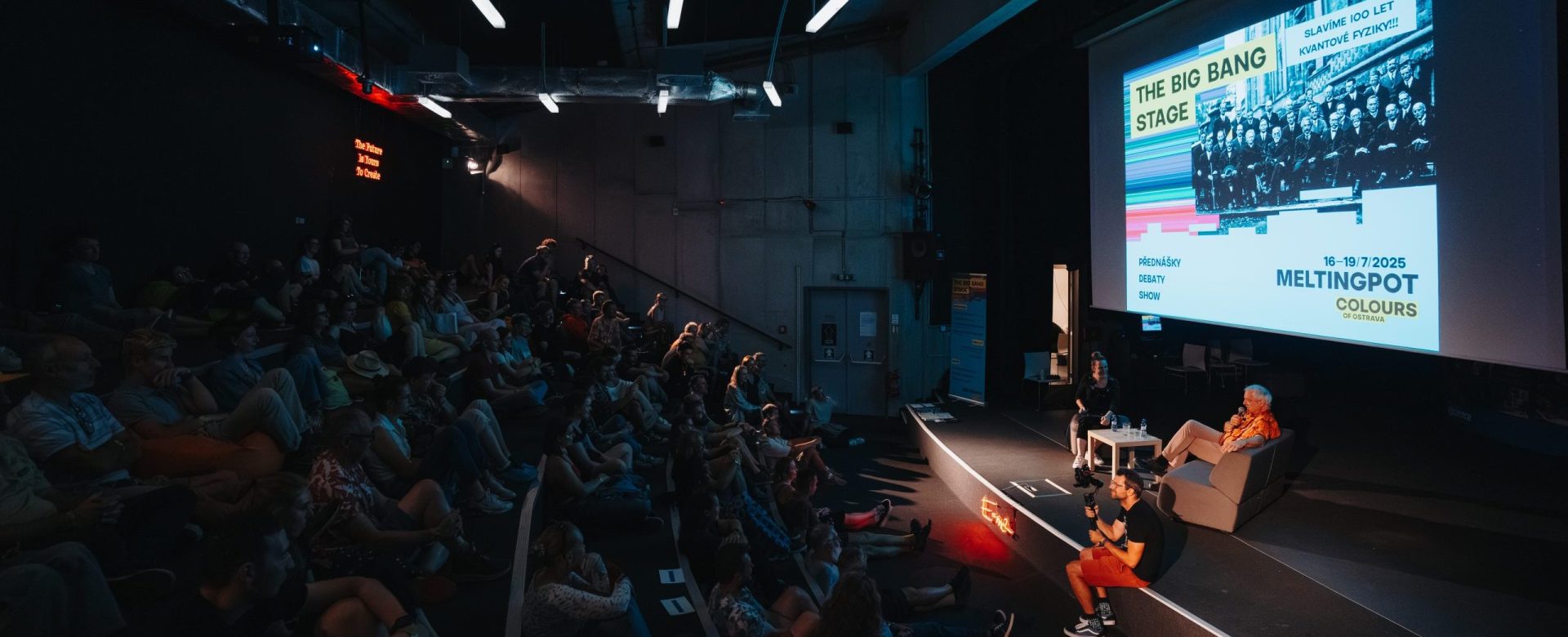
Beer is more than just a popular drink. It is a small physics laboratory in a glass. It has foam, colour, bubbles, pressure, and fluid dynamics, which is almost everything a physicist could wish for. And sometimes it even comes with an audience.
Why does beer have foam? Where does its colour come from? How can you tell whether a can is pressurised? And what can a pint reveal about the laws of physics that surround us every day?
In this lecture, accompanied by a series of experiments, we will look at beer through the eyes of a physicist. We will discover that an ordinary pint contains a surprising amount of science: from the history of beer and the mysteries of foam and bubbles to the almost magical properties of a drink that can connect the pub, the laboratory, and the Universe.
After all, physics does not have to be dry. And in this case, it definitely should not be.