
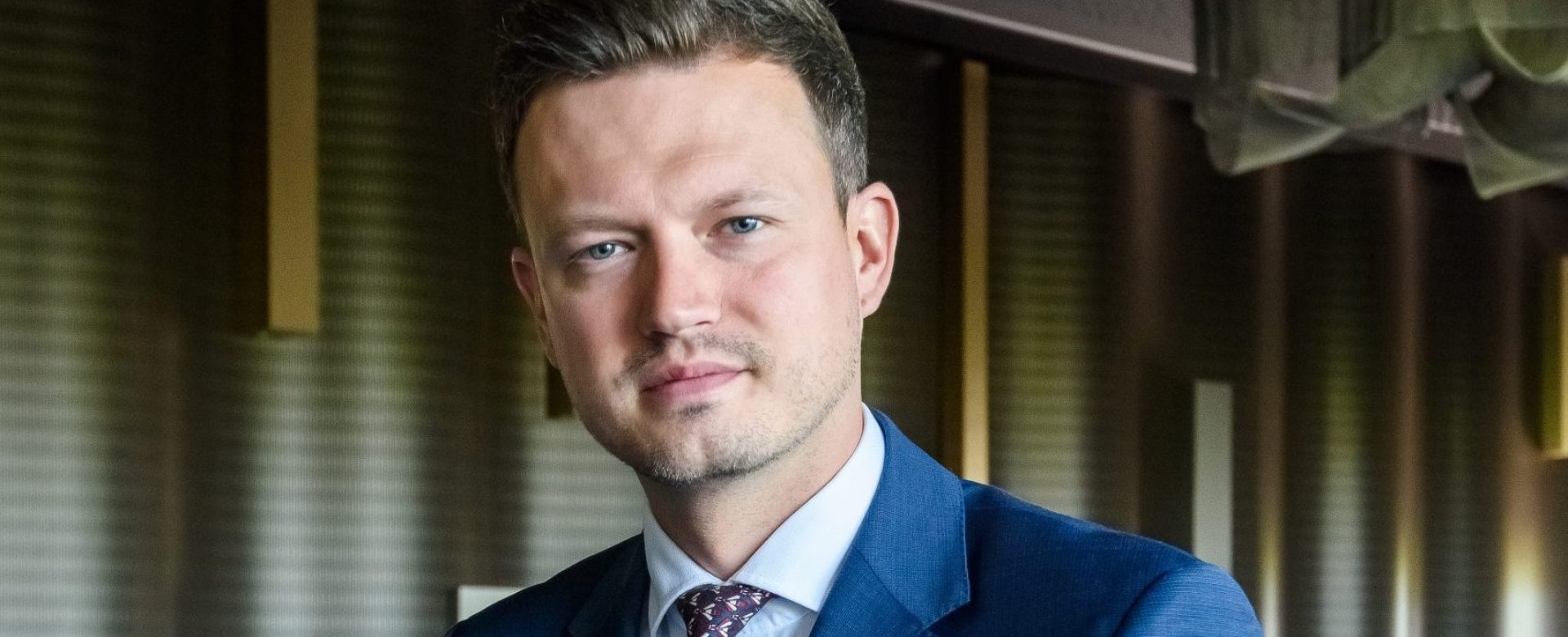
He helps ensure that the largest steel producer in the Czech Republic has sufficient orders, reliable access to raw materials, and the ability to compete internationally, even under conditions that are not always fair. At a time widely considered one of the most challenging periods for the European steel industry, this means maintaining production, customers, and jobs.
After beginning his career in retail management, he moved into industry and spent several years on the German market as a member of the Třinecké železárny–Moravia Steel Group’s commercial representation. He further strengthened his understanding of the industry’s economic context through MBA studies at Durham University in the United Kingdom and EBS Universität in Germany. Over time, he assumed responsibility for the company’s overall commercial strategy and, in 2025, represented it in Brussels during Commissioner Šefčovič’s implementation dialogue on the reform of rules of origin.
What fascinates him about the steel industry is the intersection of industrial reality, regulation, and geopolitics. In his view, steel is everywhere, yet it is easy to take for granted until it is no longer available. That is why he warns against shutting down production before economically viable green alternatives are in place. Such decisions, he argues, cannot easily be reversed, while strategic dependence on imports may become a serious risk precisely when Europe can least afford it.